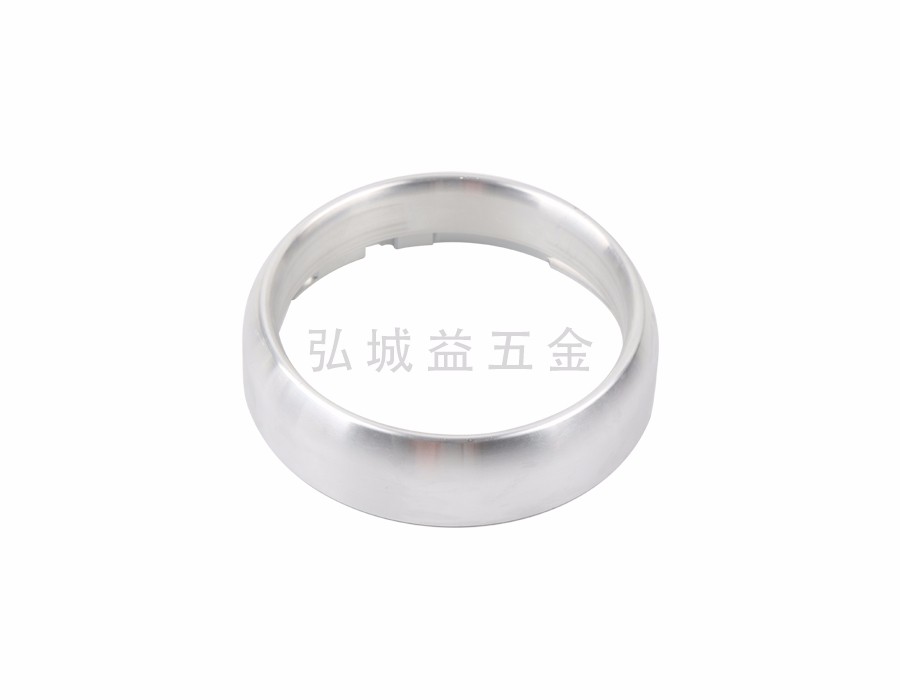
Mass production of CNC machined parts refers to the efficient and high-precision mass processing of parts using CNC machine tools to produce a large number of identical parts. The following are common types of mass-produced CNC machining parts:
Batch non-standard copper parts machining: This processing method uses CNC machine tools for high-precision processing, which can meet the needs of different customers and is suitable for batch processing of various non-standard brass parts.
Aluminum alloy four axis CNC precision machining: Aluminum alloy is a lightweight, high-strength material commonly used in the manufacturing of various mechanical parts. Four axis CNC precision machining is an advanced machining method that can be used for processing various complex shapes and structures of aluminum alloy parts. During the machining process, it is necessary to consider the characteristics and processing requirements of different materials, and select appropriate cutting parameters and tools to ensure the accuracy and quality of the machining.
Precision mechanical parts processing: This processing method uses CNC machine tools for high-precision processing, which can meet the needs of various precision mechanical parts, such as watches, instruments, robots, etc. During the machining process, it is necessary to consider the characteristics and requirements of different parts, such as dimensional accuracy, surface roughness, etc., to ensure that customer needs are met.
Batch machining of non-standard copper parts: This processing method uses CNC machine tools for high-precision processing, which can meet the needs of various non-standard copper parts, such as plumbing equipment, valves, pipelines, etc. During the machining process, it is necessary to consider the characteristics and processing requirements of different materials, and select appropriate cutting parameters and tools to ensure the accuracy and quality of the machining.
In short, mass production of CNC machining parts is an efficient and high-precision machining method that can meet the production needs of a large number of identical parts. During the machining process, it is necessary to consider the characteristics and processing requirements of different materials, and select appropriate cutting parameters and tools to ensure the accuracy and quality of the machining. At the same time, it is necessary to strengthen quality testing and management to ensure the quality and safety of products.

Phone:Alex 15302698310
WhatsApp:+86 15302698310
E-mail:sales1@hcycnc.com
Service Hotline
0755-28085530